If you’ve ever asked yourself “how often oil changes to Meridian?”, you’re not alone. Drivers across Meridian, ID often hear different advice — some say every 3,000 miles, others recommend every 5,000, and a few even stretch it to 10,000. The truth? It depends on your vehicle, your driving habits, and the type of oil you use.
As a team that has worked under the hood for years — and driven through every kind of Idaho weather — we can tell you there’s no one-size-fits-all answer. But there is a right answer for you, and finding it can save you money, prevent headaches, and keep your vehicle running at its best.
Why Oil Changes Matter More Than You Think
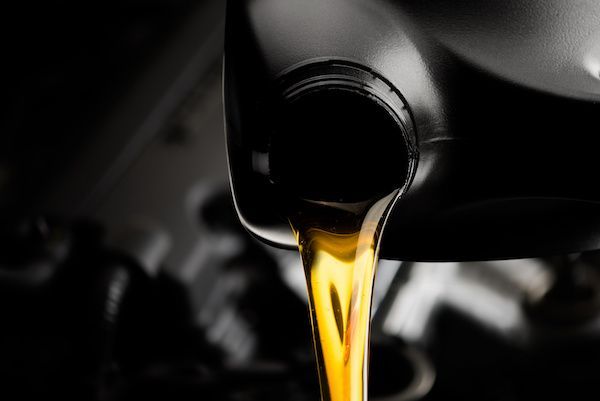
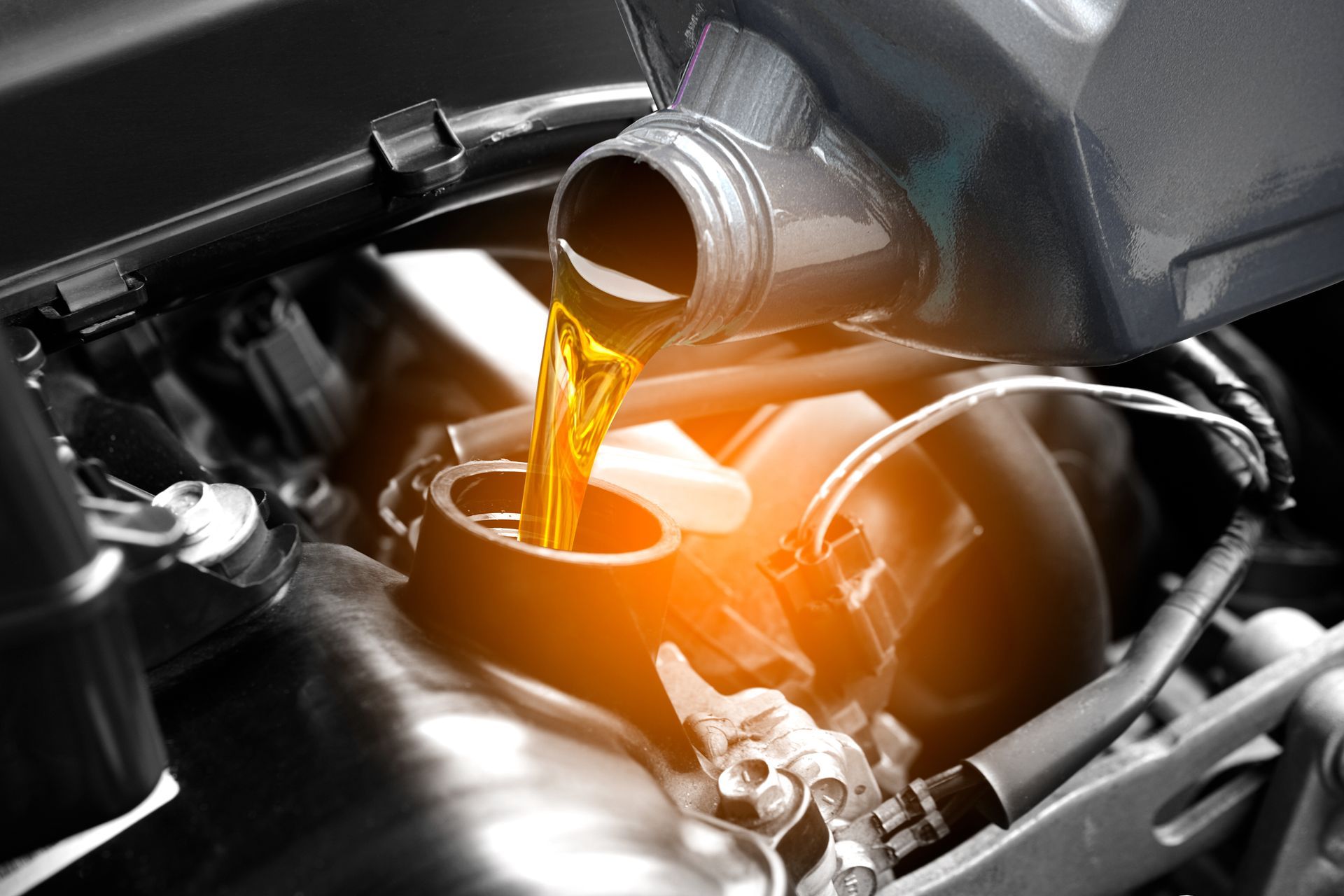
Engine oil is often called the “lifeblood” of your vehicle — and for good reason. It lubricates moving parts, keeps the engine cool, and carries away small particles of dirt and metal that naturally build up over time. Without clean oil, friction and heat increase, leading to faster wear, poor performance, and even engine failure.
From our perspective as professionals, oil changes are not just another box to check on your maintenance list — they’re one of the simplest and most effective forms of preventive care you can give your vehicle. The Automotive Maintenance & Repair Association reports that neglected oil changes are among the top five causes of premature engine wear.
The Big Debate: 3,000, 5,000, or 10,000 Miles?
You’ve probably heard the “every 3,000 miles” rule. That recommendation came from an earlier era of cars, when engines were less efficient and oil technology wasn’t as advanced. These days, most modern vehicles — especially those using synthetic oil — can often go 5,000–7,500 miles between oil changes. Some high-end vehicles even stretch to 10,000 miles.
But here’s what we tell our neighbors in Meridian: those numbers in your manual assume ideal driving conditions. And our local roads and climate don’t always qualify as ideal.
How Meridian’s Roads and Climate Impact Oil Life
Meridian weather shifts from hot, dry summers to freezing, sometimes snowy winters. Add in rural dust, occasional construction zones, and stop-and-go traffic on Eagle Road, and you’ve got “severe driving conditions” by most manufacturer definitions.
Example from our shop: A local landscaper with a 2017 Toyota Tacoma followed the 7,500-mile guideline in his manual. But after inspecting his oil at 5,000 miles, we found it was already breaking down due to frequent towing, short trips, and dusty work sites. We moved him to a 5,000-mile schedule, and he’s since noticed smoother acceleration and more consistent fuel economy.
Using Your Senses to Catch Oil Problems Early
While we value factory recommendations, your senses are often the best early warning system. If you notice any of these, it’s time to change your oil sooner rather than later:
- A burnt oil smell while driving
- Oil that looks pitch-black or gritty on the dipstick
- Louder-than-usual engine noise or knocking sounds
We’ve had customers save themselves from major repairs simply because they trusted their nose, eyes, and ears.
Oil Types and How They Affect Your Schedule
- Conventional oil: Good for older engines, generally changed every 3,000–5,000 miles.
- Synthetic blend: A mix of synthetic and conventional oils, lasting around 5,000–6,000 miles.
- Full synthetic: Offers top protection in extreme temperatures, can last 7,500–10,000 miles.
AAA research shows that synthetic oil outperforms conventional oil by nearly 50% in resisting breakdown and protecting against deposits — especially helpful in Idaho’s seasonal extremes.
How to Check Your Oil at Home in Under Five Minutes
Even if you’re not a gearhead, checking your oil regularly helps you spot problems early:
- Park your car on level ground and let it cool for a few minutes.
- Remove the dipstick, wipe, reinsert, and check again.
- Check the color and texture (golden brown = good, black and gritty = change needed).
- Ensure the oil level is between the “min” and “max” marks.
This simple habit, done once a month, can save you thousands in potential repairs.
Why Frequent Oil Changes Save You Money
It’s tempting to stretch oil changes to save a few bucks, but skipping them is like skipping dental cleanings — it almost always costs more in the long run. An oil change in Meridian might run $50–$80, while replacing a damaged engine can cost $4,000–$7,000.
The National Institute for Automotive Service Excellence (ASE) emphasizes that regular oil changes are one of the best ways to extend an engine’s lifespan and maintain peak efficiency.
Local Case Study: Winter Wear in Meridian
Last January, we worked with a customer driving a 2015 Subaru Outback. She mostly made short trips — dropping kids at school, running errands — and thought the oil change light was “just a suggestion.” After skipping two changes, sludge began forming in the engine, making cold starts sluggish and hurting fuel economy.
We performed an oil flush, replaced the oil, and set her on a 4,500-mile interval better suited to her habits. Within weeks, she noticed improved fuel mileage and a smoother ride.
Finding Your Ideal Oil Change Interval
Here’s how we recommend narrowing it down:
- Check your owner’s manual for the baseline interval.
- Factor in driving habits — short trips, towing, dusty conditions.
- Consider your oil type — synthetic lasts longer than conventional.
- Adjust based on local conditions in Meridian.
For many of our customers, this means 4,500–5,000 miles is the sweet spot.
Data That Backs It Up
- AAA Study (2017): Synthetic engine oil performed an average of 47% better than conventional oil in AAA’s independent evaluation.
- U.S. Department of Energy: Using the manufacturer-recommended motor oil grade can improve fuel economy by 1–2%, rather than simply changing oil more frequently.
- Car Care Council: Among vehicles inspected at car care events, 22% were found to have low or dirty engine oil.
Discover Your Ideal Oil Change Plan in Meridian
At the end of the day, knowing how often oil changes in Meridian isn’t just about following a number in a book — it’s about combining manufacturer guidance with real-world conditions right here in Idaho. While your manual might say 7,500 miles, many local drivers see better performance and fewer problems by changing oil every 4,500–5,000 miles.
Whether you need a quick oil change or something more complex, John’s Auto Care Center is here to help. We’re always 100% transparent about what your vehicle needs, what it will cost, and how to keep you safely on the road. If you’re unsure when your last oil change was, contact us for a quick inspection today — it’s a small step that can save you from much bigger problems down the road.
Frequently Asked Questions
1. Does cold weather in Meridian mean I need more frequent oil changes?
Yes. Cold weather thickens oil, making it less effective until the engine warms up. If most of your trips are short in winter, contaminants build up faster, so we often recommend reducing your interval by 500–1,000 miles during the colder months.
2. Can I switch from conventional to synthetic oil?
In most cases, absolutely. Modern engines handle synthetic oil well, and it offers better protection in both high heat and extreme cold. Just match the viscosity and specifications listed in your owner’s manual.
3. Is my car’s oil life monitor accurate?
It’s a helpful tool, but it doesn’t directly measure oil quality. It estimates based on your driving patterns. In harsher conditions like Meridian’s, we suggest changing oil before the monitor hits zero.
4. Will changing my oil too often harm my engine?
No. While it might be unnecessary from a cost perspective, it won’t damage the engine. In fact, in severe driving conditions, it can extend engine life.
5. What’s the best oil type for Meridian’s climate?
A full synthetic 5W-30 is a great year-round option. It flows well in freezing temperatures and still protects in summer heat. Always confirm the correct weight and grade for your vehicle before switching.