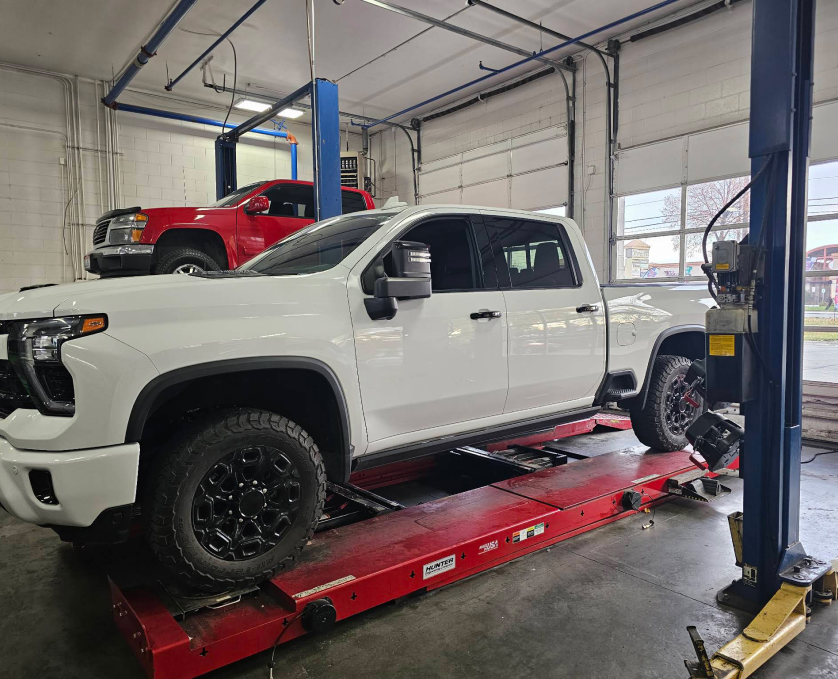
Driving through Meridian, ID, you may not always think about your car’s suspension system — until your ride starts to feel bumpier than usual. Whether you’re heading down Ten Mile Road or navigating busy parking lots near The Village, your suspension quietly does the hard work of keeping your vehicle stable, comfortable, and safe. But like any system, it can wear down over time.
Understanding the early signs of suspension problems can help you make better decisions, stay safe, and avoid larger repair bills down the line. In this guide, we’ll explore how suspension systems work, why they matter in a place like Meridian, and what to watch for when things start going wrong.
What Is a Suspension System and Why Does It Matter?
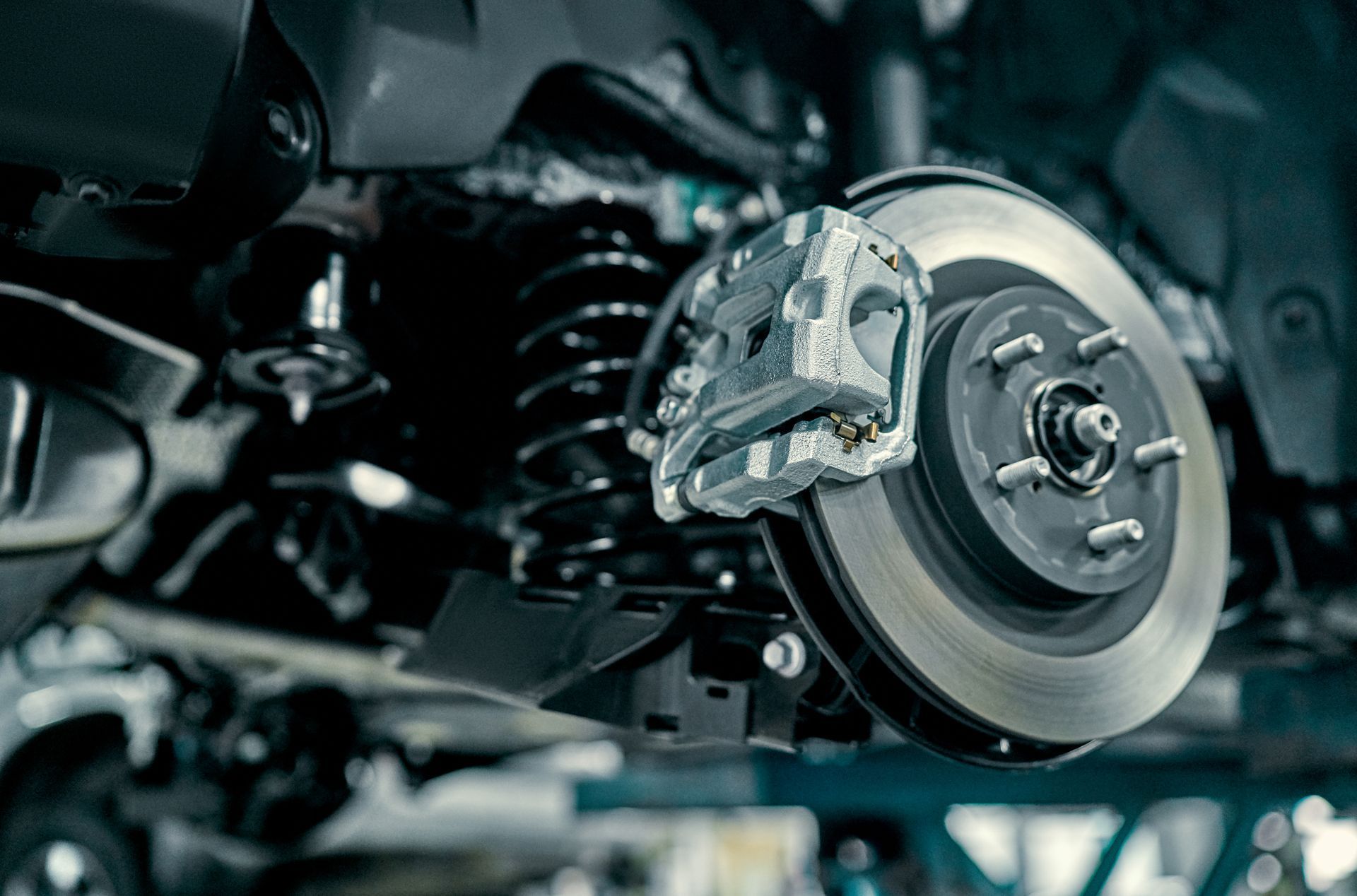
Your suspension system is responsible for absorbing shock, maintaining control, and providing a smooth ride. It connects the frame of your car to the wheels, using a combination of:
- Shocks or struts
- Springs
- Control arms
- Ball joints
- Bushings and mounts
When functioning properly, the suspension ensures your tires stay in contact with the road — which affects everything from steering and braking to overall vehicle stability.
Local Conditions That Can Affect Suspension Wear
Living and driving in Meridian, ID, there are several local factors that can lead to premature suspension wear:
- Seasonal temperature swings that affect road surfaces
- Road salt and moisture during winter months, which can corrode components
- Potholes or uneven surfaces on side streets or rural roads
- Frequent stop-and-go traffic near commercial centers
Even if you’re not driving off-road, daily driving still takes a toll. And since suspension wear tends to happen gradually, many drivers don’t notice the change until it starts affecting their comfort or safety.
Common Signs Your Suspension Needs Attention
Recognizing the signs of suspension trouble early can help you prevent further damage and reduce safety risks. Here are some of the most common symptoms to be aware of:
Rough or Bouncy Ride
If your vehicle feels unusually bouncy or shaky when driving over minor road imperfections, it could point to worn shocks or struts. These components are responsible for absorbing impact and keeping your car stable. When they wear out, the ride becomes noticeably rougher and less controlled.
Pulling or Drifting During Turns
A well-functioning suspension system helps your car stay balanced during turns. If you notice your vehicle swaying or drifting when cornering, it may indicate worn or uneven suspension components. This instability can compromise handling and overall driving safety.
Uneven Tire Wear
Uneven tread wear across your tires often points to suspension misalignment or imbalance. When the suspension isn’t properly supporting the vehicle, it can cause inconsistent tire pressure against the road. Over time, this leads to faster wear and can affect traction.
Nose Dives While Braking
If your car’s front end dips dramatically when braking, the shocks may no longer be absorbing the forward momentum. This “nose dive” reduces braking efficiency and can increase stopping distance. It’s a common sign that suspension components are nearing failure.
Oily or Damaged Shocks
Leaking fluid around your shocks or struts is a strong indication of wear or damage. These components are sealed to contain hydraulic fluid, which helps them function properly. If they appear oily, they’re likely no longer providing the support your suspension needs.
Clunking or Knocking Noises
Hearing clunking, knocking, or creaking when driving over bumps often signals worn suspension parts. This may include failing bushings, joints, or mounts. Left unchecked, these noises can evolve into more serious mechanical issues.
What Happens During a Suspension Inspection?
If you bring your vehicle to a
suspension system repair shop, here’s what you can typically expect during a standard inspection:
- Visual inspection of shocks, struts, and mounts for signs of damage or leaks.
- Bounce test, where the vehicle is pressed down and released to check for excessive movement.
- Steering and alignment checks to ensure the car responds properly.
- Test drive, which helps a technician feel how the suspension performs in real conditions.
This type of diagnostic process helps pinpoint the specific issue — whether it’s a worn strut, broken control arm, or something else entirely.
Why Early Detection Matters
Waiting too long to address suspension issues can lead to:
- Increased tire wear, which shortens the lifespan of expensive components.
- Reduced braking efficiency, especially during sudden stops.
- Strain on steering parts, leading to more complicated and costly repairs.
- Safety risks, including poor vehicle control during emergency maneuvers.
According to AAA, worn suspension components can add feet to your stopping distance, especially on wet or uneven roads — conditions frequently experienced in and around Meridian.
Firsthand Experience: A Real Meridian Scenario
A longtime Meridian resident recently brought in a mid-sized sedan with symptoms of uneven tire wear and steering pull. After a routine inspection, the root cause turned out to be worn struts and misaligned wheels caused by long-term driving on rough neighborhood roads. The damage wasn’t obvious from the outside — no noises, no bouncing. But left untreated, it could’ve led to serious safety issues and additional wear to the brake system.
This is a typical example of how small issues, if ignored, can quietly lead to bigger ones. That’s why paying attention to early signs is so important.
Expert Insight and Industry Recommendations
The average lifespan of most suspension components is around 50,000 to 100,000 miles, depending on driving conditions, terrain, and how often you carry heavy loads.
- ASE-certified mechanics recommend having your suspension system checked at least once a year.
- NHTSA data links poor suspension to loss of vehicle control in emergency situations.
- RepairPal estimates the average cost of a suspension repair to range from $500 to $1,200, depending on the type of repair and vehicle model — but early fixes are often significantly cheaper.
By staying proactive, you reduce the chances of a more expensive, complicated repair down the road.
Drive Safer by Checking Your Suspension Today
Whether you’re navigating Meridian’s busy streets or heading out for a weekend drive, your vehicle’s suspension plays a crucial role in keeping you safe and comfortable. Being aware of how it works — and what signs to watch for — helps you make more informed decisions when something doesn’t feel quite right.
For drivers in Meridian, ID, understanding these early warning signs means you can take action before minor suspension issues turn into major repairs.
If you’re considering a check-up,
John’s Auto Care Center is one local option to explore — and they accept most extended warranty programs.
FAQs: Suspension Systems and Repair
1. How long do suspension components typically last?
Most suspension parts last between 50,000 and 100,000 miles, but this varies depending on road conditions, weather, and driving habits. Regular inspections help ensure everything stays in good working condition.
2. Can suspension problems affect other systems in my car?
Yes. A damaged suspension can lead to uneven tire wear, poor alignment, and added stress on the steering system. It can also negatively affect braking and fuel efficiency.
3. Is it safe to drive with a failing suspension?
In the short term, it may still be drivable, but it’s not advisable. Worn suspension parts can compromise vehicle stability, especially during sharp turns or sudden stops.
4. What are the most common causes of suspension damage in Meridian?
Frequent causes include rough or uneven roads, potholes, curbs, and natural wear and tear from local driving conditions, especially during freeze-thaw cycles in winter.
5. How can I tell if a noise is coming from my suspension or something else?
Suspension-related noises typically occur when going over bumps or during turns. A certified technician can perform a diagnostic test to isolate the cause of the sound and determine whether it’s related to suspension or another system.