Wheel Alignment in Meridian
February 13, 2025
Why Wheel Alignment Matters in Meridian
If you’ve ever noticed your car pulling to one side, your steering wheel vibrating, or uneven tire wear, then you might be dealing with a wheel alignment issue. As a car owner in Meridian, Idaho, these signs are not something you should ignore. While it might seem like just a minor issue, improper wheel alignment can result in significant problems ranging from safety hazards to costly repairs.
In this comprehensive guide, we’ll explain what wheel alignment is, why it’s crucial for your vehicle’s health, how to recognize the signs of misalignment, and provide practical examples of how alignment affects your driving experience—especially if you live in Meridian.
What is Wheel Alignment?
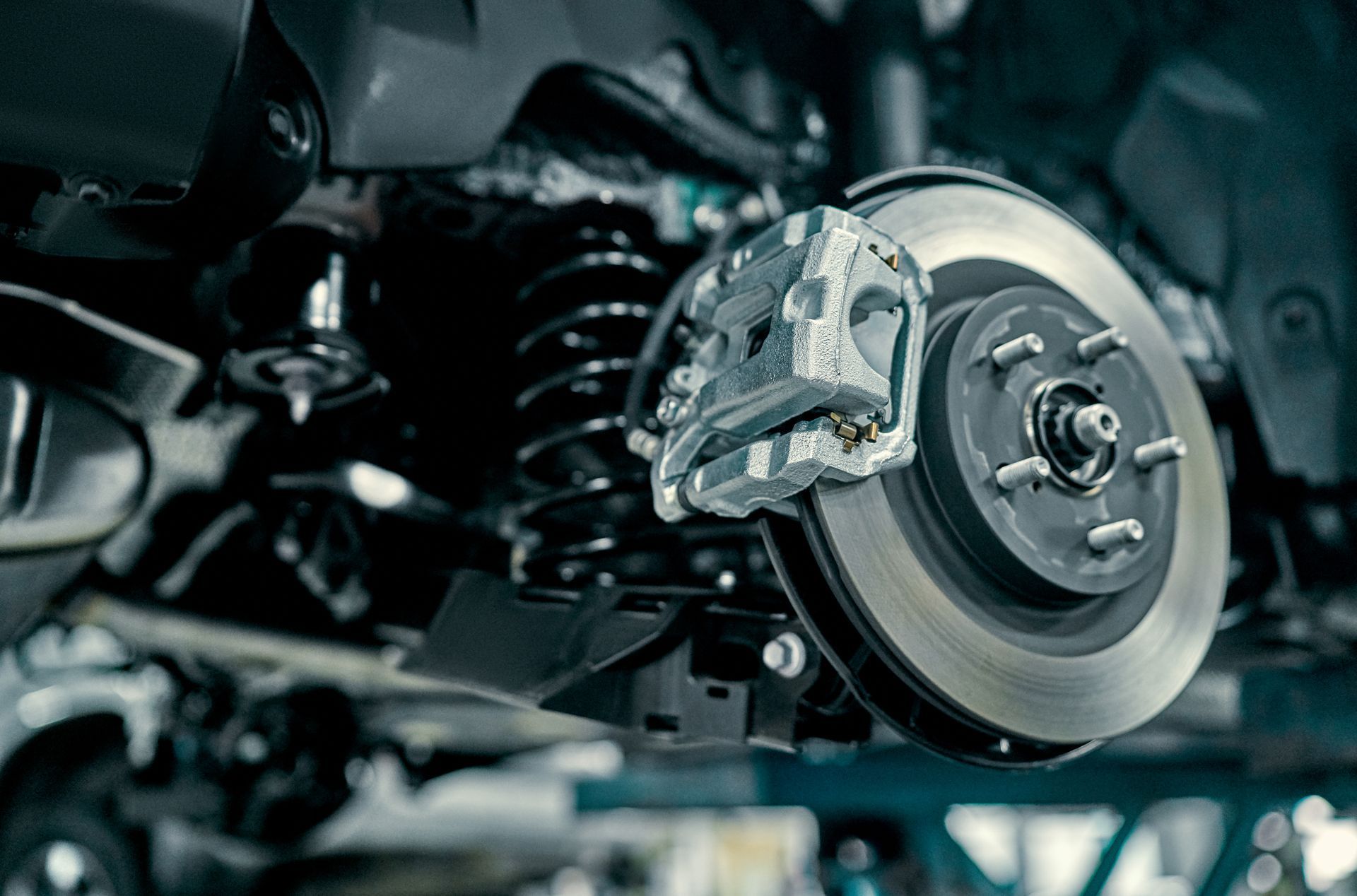
Wheel alignment refers to the adjustment of the angles of your vehicle’s wheels to the manufacturer’s specifications. It ensures that your wheels are correctly positioned to optimize tire life, fuel efficiency, and overall vehicle handling.
There are three key angles involved in alignment:
- Camber: This is the inward or outward tilt of the tires when viewed from the front of the vehicle.
- Negative camber means the top of the tire tilts inward.
- Positive camber means the top tilts outward.
- A misaligned camber can cause uneven tire wear, leading to costly replacements.
- Toe: This refers to the angle of the tires when viewed from above.
- If the tires are pointing inward (toe-in), or outward (toe-out), it causes friction on the road surface, which accelerates tire wear.
- Caster: This angle affects steering stability.
- Positive caster enhances straight-line stability and control.
- Negative caster makes steering feel unresponsive and harder to control.
By ensuring that all of these angles are within the proper factory settings, your car will handle better, be safer to drive, and the tires will last longer.
Why Does Wheel Alignment Matter in Meridian?
Driving conditions in Meridian vary. The potholes left by winter snowstorms, the bumpy roads after construction, and even the occasional curb bump can throw your car’s alignment off, often without you even realizing it. Keeping your wheels properly aligned is critical to maintaining both the safety and the efficiency of your vehicle. Here are the top reasons why alignment matters:
1. Extended Tire Life
Misaligned wheels are one of the leading causes of uneven tire wear. In Meridian, where road conditions can fluctuate significantly throughout the year, this issue can be exacerbated. For example, if your vehicle’s alignment is off, the tires may wear unevenly, with one side of the tire becoming bald while the other side still has tread. This uneven wear reduces the lifespan of your tires, forcing you to replace them much sooner than necessary. Proper alignment ensures even tire wear and extends their life.
Example:
Sarah, a Meridian resident, recently noticed that her tires were wearing out quickly despite not having them for long. After having her car’s alignment checked, it turned out that a minor issue with the toe angle was causing the tires to scrub against the road unevenly. After an alignment, Sarah’s tires started wearing evenly, and she didn’t have to replace them for another 20,000 miles.
2. Improved Fuel Efficiency
If your wheels are misaligned, your vehicle faces more rolling resistance on the road. Misalignment causes the tires to drag at improper angles, increasing friction, which forces the engine to work harder to maintain speed. This, in turn, consumes more fuel. A properly aligned vehicle reduces this resistance, helping improve fuel efficiency.
Example:
Jason, another Meridian driver, noticed that his car’s gas mileage had significantly decreased over the last few months. After getting his wheel alignment done, his fuel efficiency improved by about 10%, saving him money at the pump. He was surprised by how much a simple alignment could affect his gas mileage.
3. Enhanced Safety
Your vehicle’s handling and safety are directly impacted by wheel alignment. Misaligned wheels can cause the vehicle to pull to one side, leading to an uneven driving experience. In emergency situations, like having to swerve suddenly or brake hard, poor alignment can make your vehicle harder to control, increasing the risk of accidents.
Misalignment can also affect braking. If your wheels aren’t aligned, the car may not brake evenly, leading to longer stopping distances or uneven braking power. All these factors put your safety and the safety of others at risk.
Example:
A customer in Meridian, John, experienced a situation where his car veered sharply to the left every time he let go of the steering wheel. It wasn’t just annoying—it was dangerous, especially in high-traffic areas. After taking his car in for an alignment, the vehicle no longer pulled to one side, making it safer to drive.
4. Smoother Ride and Handling
When your car’s alignment is off, you might feel vibrations in the steering wheel, or notice that the car doesn’t handle well when making turns or when driving straight. These issues are often caused by misalignment. By keeping your alignment in check, your car will offer a smoother, more responsive ride, which is particularly important on the often uneven roads of Meridian.
How to Tell If Your Car Needs Wheel Alignment
Here are the most common signs that your car may need an alignment:
- Uneven Tire Wear: If you notice that your tires have worn down unevenly (for example, one side is more worn than the other), it’s likely a sign of misalignment.
- Steering Wheel Issues: If your steering wheel is off-center while driving straight, or if you feel vibrations or resistance when turning, these could be signs of poor alignment.
- Pulling to One Side: If your vehicle pulls to the left or right even when you’re driving straight, this is one of the clearest signs of misalignment.
- Squealing Tires: If your tires are making a squealing sound while driving, it’s likely due to improper wheel alignment, causing tires to rub unevenly against the road.
Example:
For instance, local driver Maria noticed that her vehicle began pulling to the left at highway speeds. After having her alignment checked at a local auto shop, the technician discovered her car’s caster angle was off. A quick fix and her car no longer pulled to one side, making long drives more comfortable and safer.
The Wheel Alignment Process: What Happens When You Get One?
Getting a wheel alignment done is a relatively quick and straightforward process, but it requires careful attention to detail. Here’s what typically happens when you take your car in for an alignment:
- Initial Assessment: The technician inspects your car’s suspension, steering, and tire wear. If anything seems worn out, like a damaged suspension part, it might need to be replaced before the alignment can be done.
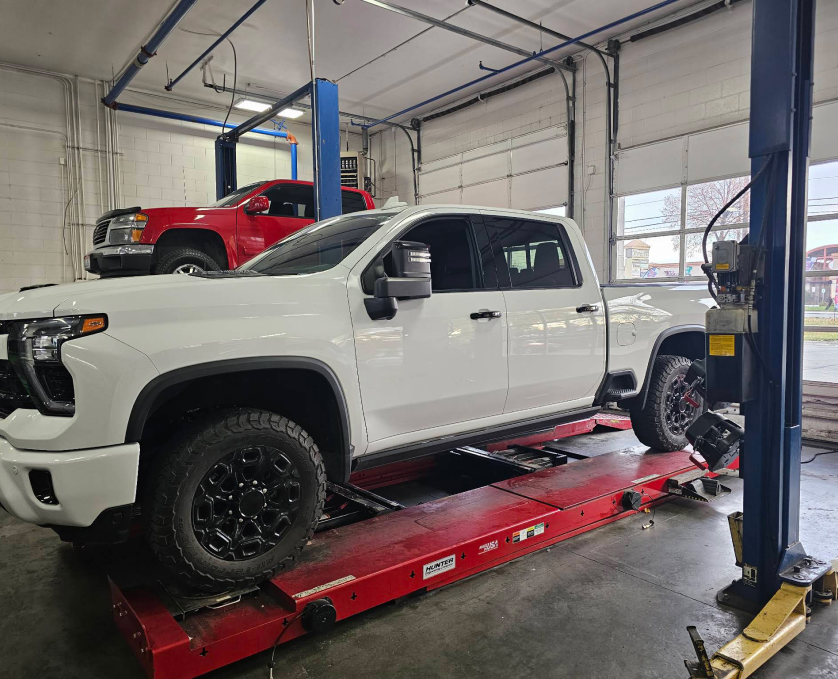
- Computerized Alignment: Modern auto shops use computerized alignment machines to measure the angles of your wheels. These machines provide precise data on the camber, caster, and toe angles. The technician adjusts these settings to match your vehicle’s manufacturer specifications.
- Test Drive: After adjustments are made, the technician will test drive the vehicle to ensure the alignment is correct and that the car handles properly.
- Final Check: A final check ensures that all angles are within the correct specifications, and you will usually receive a printout showing the alignment results.
When Should You Get a Wheel Alignment?
While the frequency of wheel alignments depends on how you drive, here are key times when you should have your alignment checked:
- After hitting a large pothole or curb: If you’ve recently hit a large pothole or curb in Meridian, it’s a good idea to have your alignment checked. This kind of impact can easily knock your wheels out of alignment.
- After suspension repairs: If you’ve had suspension work done, like replacing shock absorbers or control arms, you should get an alignment.
- Regular Checkups: As a general rule, have your alignment checked every 12,000 miles or once a year to ensure your vehicle’s longevity and safety.
Why Keeping Your Wheels Aligned is Crucial
Wheel alignment is more than just a simple maintenance task—it’s crucial to the overall performance, safety, and longevity of your vehicle. In Meridian, where driving conditions can change rapidly, maintaining proper alignment is vital to avoid unnecessary wear on tires and suspension components, improve fuel efficiency, and ensure your safety.
If you’ve noticed any of the signs of misalignment, don’t wait! Having your alignment checked regularly will save you money on repairs, prevent dangerous driving conditions, and keep your car running smoothly for years to come.
Pro Tip: Regular alignment checks can help you avoid larger issues down the road, such as the need for expensive tire replacements or suspension repairs.
Frequently Asked Questions About Wheel Alignment
1. How often should I get my car’s wheel alignment checked?
It’s recommended to check your alignment every 12,000 miles or once a year. If you notice signs of misalignment, such as pulling to one side or uneven tire wear, have it checked sooner.
2. Can bad wheel alignment cause my car to pull to one side?
Yes, misalignment is one of the primary causes of a vehicle pulling to one side while driving.
3. Is wheel alignment expensive?
The cost of wheel alignment typically ranges from $50 to $100. While this might seem like an added expense, the long-term savings in tire and fuel costs make it a worthwhile investment.
4. Can wheel alignment fix vibration in my steering wheel?
If the vibration is caused by misaligned wheels, an alignment can solve the issue. However, if the problem persists, other issues may need to be addressed.
5. How long does a wheel alignment take?
The process typically takes 30 to 60 minutes, depending on the type of alignment needed and the condition of the vehicle.